⚡ Quick Summary
- Dental grants are financial aid programs from charities, private organizations, and government departments that help cover dental care costs for single mothers.
- These grants help single mothers and their families access treatments ranging from basic check-ups to dental implants and dentures.
- Multiple pathways exist to get dental help, including community health centers, Medicaid, state programs, and free dental clinics—you don’t have to pay full price.
What Is This Program?
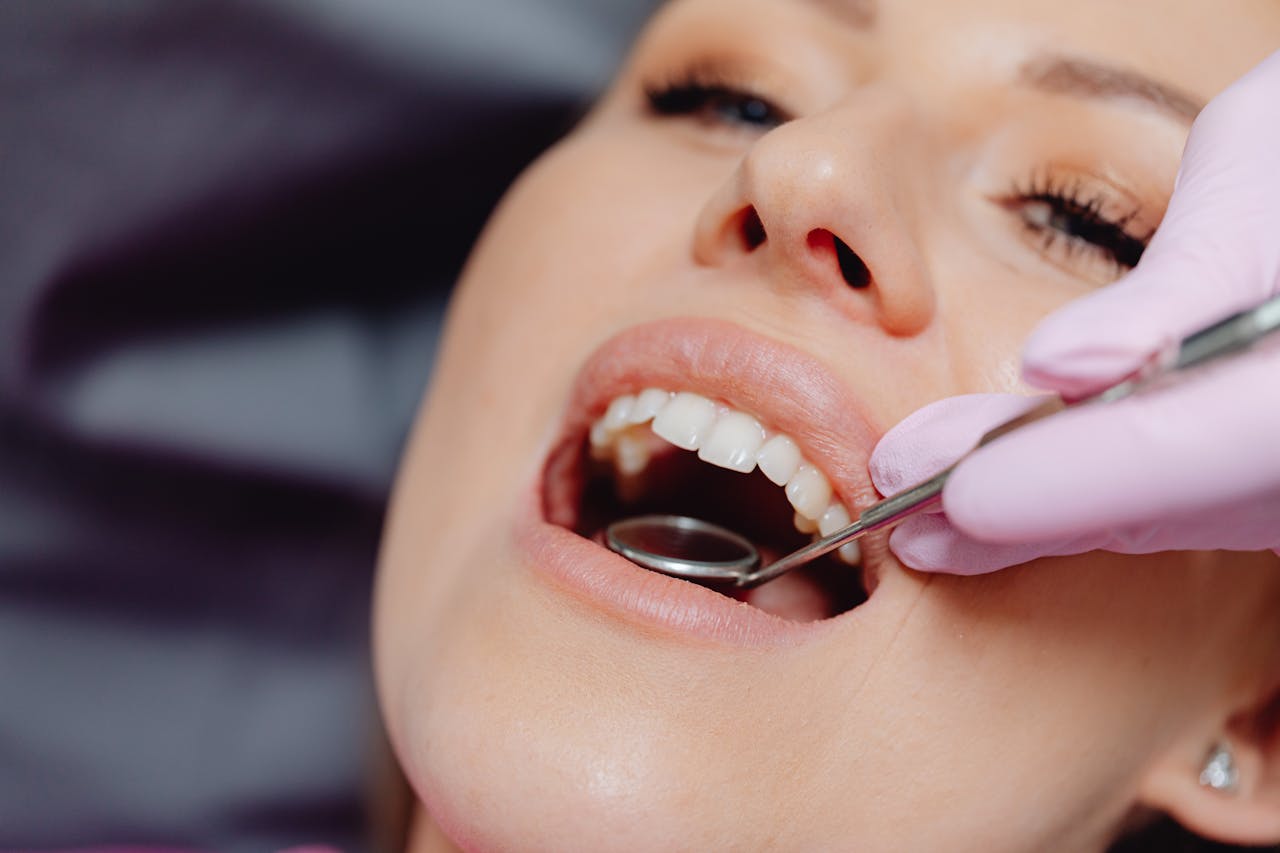
Dental grants for single mothers are financial assistance programs offered by various organizations, including charities, private entities, and government departments. These grants are specifically designed to help single mothers manage the cost of dental care, which can be a significant financial challenge when raising a family on a limited budget. The grants cover a range of dental needs, from basic check-ups and cleanings to more complex procedures such as dental implants, dentures, and emergency dental care. The goal is to ensure single mothers and their families can access necessary dental treatments without being blocked by cost.
🟢 In Plain Terms
These are programs that give you money or free dental services so you can get your teeth fixed without paying the full cost. Different groups—charities, the government, and private organizations—offer this help specifically for single moms.
Who Can Get This Help?
Dental grants and assistance programs are available to several groups who need financial help with dental care. Single mothers are often prioritized, but other groups can also qualify.
- Single Mothers: Primary targets for these grants due to their unique financial challenges and responsibilities toward their children.
- Low-Income Adults: Adults who fall below certain income thresholds can access dental grants designed for low-income individuals.
- Seniors: Many programs offer dentures for low-income seniors or dental grants for seniors, recognizing that older adults often have fixed incomes and increased dental care needs.
- Disabled Individuals: Dental grants for disabled persons address the specific challenges that disabled individuals face in accessing and affording dental care.
- Veterans: Some programs are specifically tailored for veterans, acknowledging their service and unique healthcare needs.
- Others with Demonstrated Need: This can include individuals with specific dental health issues that require expensive treatments, such as dentures or dental implants.
Applicants are usually required to provide proof of income, residency, and other documentation as required by the specific grant program. Requirements vary between programs and organizations.
🟢 In Plain Terms
If you’re a single mom struggling to pay bills, you’re exactly who these programs are meant to help. Seniors, people with disabilities, veterans, and anyone with low income may also qualify. You’ll typically need to show proof of your income and where you live.
How to Apply
- Research available programs: Look into community health centers, state dental assistance programs, Medicaid/CHIP, and nonprofit organizations that offer dental grants in your area.
- Check specific eligibility requirements: Each grant program has its own criteria—review income limits, residency requirements, and documentation needed.
- Gather required documentation: Prepare proof of income, residency, and any other documents the specific program requires.
- Contact your state health department: They can provide information about eligibility, application processes, and available dental services within your state.
- Apply to community health centers: These centers operate on a sliding fee scale based on income—contact them directly to begin the application process.
- Check Medicaid eligibility: Apply through your state’s Medicaid office, as coverage varies by state but generally offers dental coverage for children, low-income adults, and pregnant women.
🟢 In Plain Terms
Start by calling your local health department or searching for community health centers near you. Ask what dental help is available and what paperwork you need. If you haven’t already, check if you qualify for Medicaid—it often covers dental care for kids and sometimes for adults too.
What to Expect
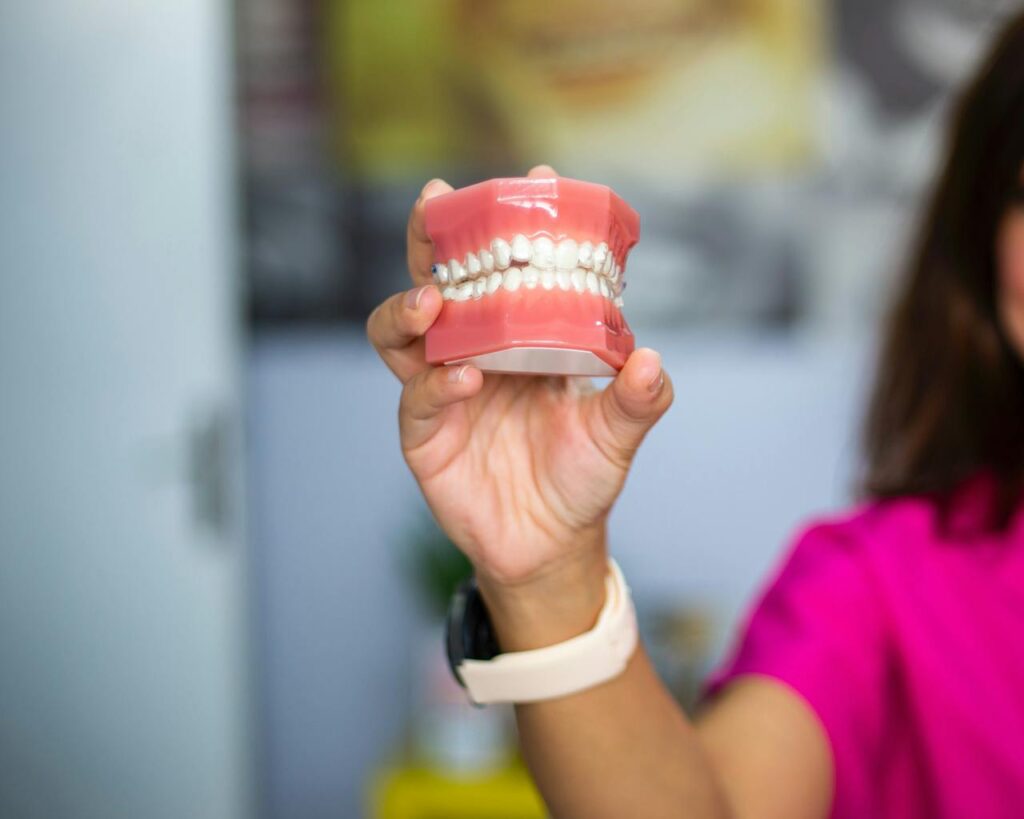
The dental assistance available through these programs can include several helpful features:
- Customized Treatment Plans: Some dental grants offer personalized treatment plans that address the most critical dental issues first.
- Collaboration with Experienced Dentists: Many grant programs work with skilled dentists to ensure recipients receive high-quality dental care.
- Sliding Fee Scales: Community health centers adjust costs based on your income level, making dental care more affordable.
- Childcare Support: Some programs may offer assistance with childcare during dental appointments, making it easier for single mothers to attend their sessions.
- Ongoing Oral Health Education: Beyond immediate treatment, these grants often include education about oral health to help establish healthy dental habits for the future.
- Mental Health Support: Some programs may offer support or referrals for mental health services, recognizing the stress that can accompany dental issues.
Additional options available:
- Medicaid and CHIP: Medicaid varies by state but generally offers dental coverage, especially for children, low-income adults, and pregnant women. CHIP covers children of families who might not qualify for Medicaid.
- Dental Discount Plans: By paying an annual fee, you can receive discounts on various dental services throughout the year.
- Free Dental Clinics: These clinics provide care specifically for single and pregnant mothers, including mobile clinics that travel to underserved areas.
- Faith-Based Organizations: Many churches and religious groups offer dental assistance programs for community members in need.
- Dental Loans and Credit Options: Healthcare credit options may provide immediate relief for urgent dental needs with manageable repayment plans.
🟢 In Plain Terms
You might get a treatment plan made just for your situation, and some programs will even help with childcare while you’re at your appointment. Community health centers charge based on what you can afford. There are also free clinics, church programs, and Medicaid that might help—so you have several options to explore.
Key Links
- Contact your local state health department for information about dental assistance programs in your state.
- Search for community health centers in your area that offer sliding-fee dental services.
- Check with your state’s Medicaid office to determine eligibility for dental coverage.
Disclaimer
This article is for informational purposes only and is not legal or financial advice. Program rules, income limits, and availability change frequently. Always verify current requirements directly with the official program before making decisions.